
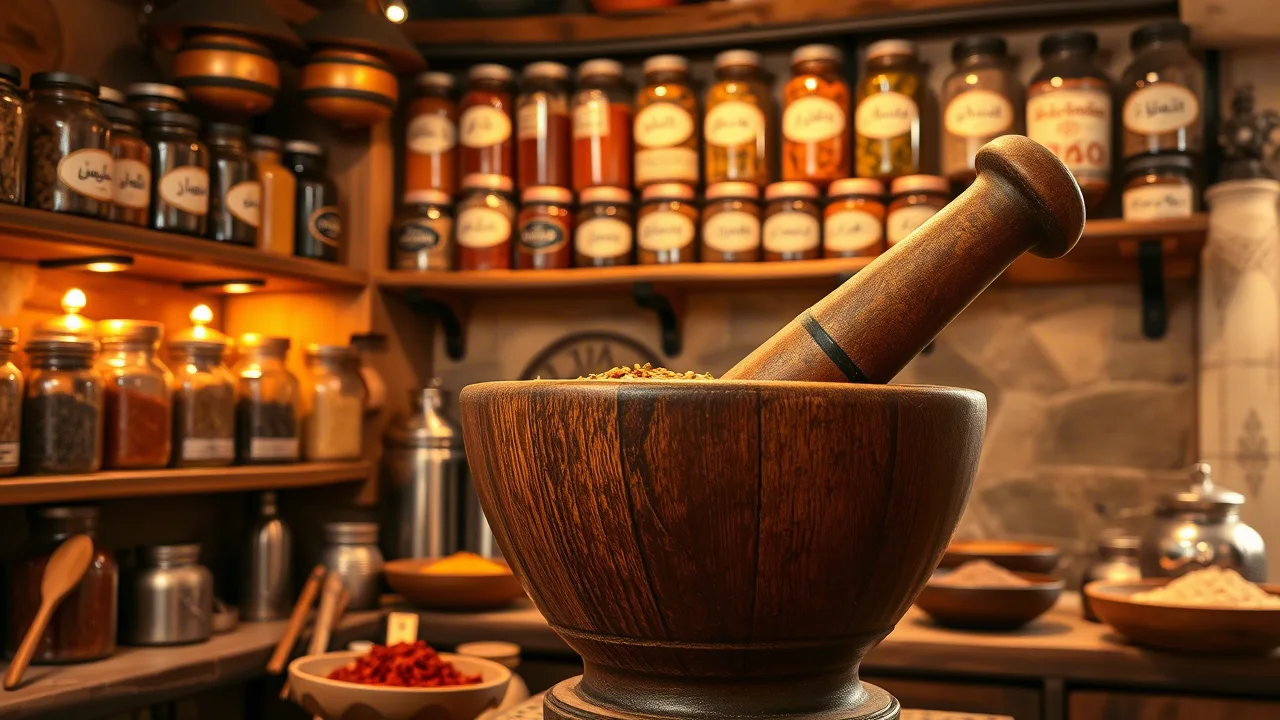
A Moroccan spice blend can bring together earthy, warm and aromatic spices such as cumin, coriander, ginger, cinnamon and black pepper. One of the best-known spice blends associated with Moroccan cooking is Ras el Hanout.
But there is an important detail: Ras el Hanout does not have one fixed recipe. Its composition can vary from one spice merchant, household or producer to another. Some versions are simple, while others contain a long list of spices and aromatic ingredients.
The homemade Moroccan spice blend recipe below is therefore a practical Ras el Hanout-style mixture, not a claim to be Morocco's one official formula. You can use it to season tagines, meat, roasted vegetables, chickpeas and couscous dishes, then adjust the proportions to suit your own cooking.
What Is a Moroccan Spice Blend?
Moroccan cooking does not depend on one universal seasoning mix. Different dishes use different combinations of spices, and cooks may adjust those combinations according to the ingredients being prepared.
Cumin, coriander, ginger, turmeric, paprika, cinnamon and pepper are among the spices you may encounter in Moroccan cooking, but they are not automatically used together in every dish.
When people search for a Moroccan spice mix or Moroccan seasoning, they are often looking for a convenient blend that captures some of these warm and aromatic flavors. Ras el Hanout is an important example, but it should not be treated as the only spice mixture used in Morocco.
👉 Want to understand the individual spices first? Read our Guide to Moroccan Spices and Their Uses
What Is Ras el Hanout?
Ras el Hanout is an aromatic spice blend closely associated with Moroccan and wider North African cooking. Literally, the name means "head of the shop", but its meaning goes beyond the literal translation. In Moroccan usage, ras can carry the sense of the finest or top selection. So Ras el Hanout refers to the shopkeeper's best or most prized selection of spices. A similar idea appears in the Moroccan expression "ras es-souk", used for something considered among the best available in the market. In this sense, Ras el Hanout is better understood as "the best of the shop" rather than simply "the head of the shop."
There is no single official Ras el Hanout recipe. One mixture may emphasize cumin and coriander, another may be warmer with cinnamon and ginger, while another can include cardamom, nutmeg, cloves or additional aromatic ingredients.
This variation is part of its character. Instead of searching for one supposedly secret formula, it is more useful to understand how the different spices work together and adjust the blend according to what you are cooking.
Moroccan Spice Blend Ingredients
The exact ingredients in a Ras el Hanout spice blend vary. For a practical homemade version, the following spices create a balanced mixture that is easy to use in everyday cooking.
- Cumin: earthy and warm
- Coriander: aromatic with a light citrus-like character
- Ginger: warm with gentle sharpness
- Turmeric: earthy and useful for color
- Sweet paprika: mild warmth and color
- Cinnamon: sweet aromatic warmth
- Black pepper: sharper heat
- Cardamom: fragrant and slightly floral
- Nutmeg: deep, warm sweetness
- Cloves: intense aromatic warmth
- Cayenne: optional for additional heat
Not every Ras el Hanout seasoning contains all of these ingredients. Likewise, seeing a spice in one recipe does not make it mandatory in every blend.
Homemade Moroccan Spice Blend Recipe
This simple Moroccan spice mix recipe makes a convenient homemade Ras el Hanout-style seasoning. It uses ground spices that are relatively easy to find and produces a balanced blend for meat, vegetables, tagines and other savory dishes.
Ingredients
- 2 teaspoons ground cumin
- 2 teaspoons ground coriander
- 2 teaspoons ground ginger
- 1 teaspoon ground turmeric
- 1 teaspoon sweet paprika
- 1 teaspoon ground cinnamon
- 1/2 teaspoon ground black pepper
- 1/2 teaspoon ground cardamom
- 1/4 teaspoon ground nutmeg
- 1/4 teaspoon ground cloves
- 1/4 teaspoon cayenne pepper, optional
How to Make the Spice Blend
- Measure all the ground spices into a clean, dry bowl.
- Mix thoroughly until the color looks even and there are no clumps.
- Smell the finished mixture and decide whether you want to adjust its warmth, sweetness or heat.
- Transfer the spice blend to a clean, completely dry airtight jar.
- Store it away from heat, moisture and direct sunlight.
This recipe makes roughly 4 tablespoons of seasoning. Because ground spices gradually lose their aroma, making a small batch is usually better than preparing a large quantity that remains in the cupboard for months.
Can You Make the Blend with Whole Spices?
Yes. If you have whole cumin seeds, coriander seeds, peppercorns or cardamom, grinding them yourself can give your Moroccan seasoning mix a fresher aroma.
Suitable whole spices can be gently warmed in a dry pan until fragrant. Keep the heat low and watch them carefully because spices can burn quickly. Let them cool completely before grinding and combining them with the remaining ingredients.
Keep the stored blend completely dry. Preserved lemon, fresh garlic, herbs, oil and other wet ingredients should be added separately when you prepare the actual dish rather than mixed into the storage jar.
How Much Moroccan Spice Blend Should You Use?
There is no universal quantity because spice mixtures vary in strength. For a dish serving about four people, start with 1 to 2 teaspoons of the blend and adjust from there.
A Ras el Hanout mixture containing plenty of cloves, cardamom or cinnamon can become dominant quickly. A milder mixture based more heavily on cumin and coriander may tolerate a little more.
The purpose of the seasoning is to support the main ingredients, not to make every dish taste exactly the same.
How to Use Moroccan Spice Blend
A homemade Moroccan spice blend is versatile, but how you use it should depend on the dish. Meat and long-cooked stews can generally handle more seasoning than delicate fish, while vegetables can be adjusted according to their sweetness and cooking method.
In Tagines and Stews
Slow-cooked dishes are one of the easiest places to experiment with Ras el Hanout. Add a small amount near the beginning of cooking so the spices have time to combine with onions, meat, vegetables and the cooking liquid.
The blend works particularly well with ingredients such as lamb, beef, chicken, chickpeas, carrots and squash.
If your recipe already uses generous quantities of cumin, ginger, turmeric, cinnamon or similar spices, reduce the amount of spice blend. Otherwise, you may simply duplicate the same flavors.
👉 Cooking a tagine? Learn How to Choose and Use a Tagine Pot
With Chicken, Lamb or Beef
For chicken, lamb or beef, combine a small amount of the seasoning with salt and olive oil to make a simple spice paste.
Rub it over the meat before roasting or grilling. Depending on the recipe, garlic, lemon or fresh herbs can be added separately.
Lamb and beef can usually handle a stronger aromatic mixture, while chicken often benefits from a slightly lighter application.
With Roasted Vegetables and Chickpeas
You do not need to make a tagine to use this seasoning. Try it with carrots, sweet potatoes, squash, cauliflower or chickpeas.
Toss the vegetables with olive oil and a modest amount of the spice mixture before roasting. After cooking, lemon juice and fresh herbs can add brightness and balance the warmer spices.
With Couscous
Ras el Hanout can bring warmth to a couscous dish, but there is no need to cover the grains themselves with a large amount of seasoning.
Instead, use the spice blend in the vegetables, broth or meat served with the couscous. This gives you better control over the flavor and allows the grains to remain balanced.
👉 Making couscous? See How to Make Authentic Moroccan Couscous
Can You Use It with Fish?
Yes, but use considerably less. Fish can be overwhelmed by a strong mixture containing cinnamon, cloves or cardamom.
For fish, try a small pinch combined with olive oil, garlic and lemon. In many Moroccan fish preparations, chermoula is another useful direction because its combination of herbs, spices and acidity works particularly well with seafood.
How to Adjust Your Moroccan Spice Mix
One advantage of making your own blend is that you can change its character according to your taste and the dish you plan to cook.
- For more earthiness: increase cumin or coriander slightly.
- For more warmth: increase ginger or black pepper.
- For a sweeter aroma: add a little more cinnamon or nutmeg.
- For more heat: add a small amount of cayenne.
- For a more floral aroma: increase cardamom carefully.
Make small adjustments rather than changing several ingredients at once. When you find a combination you enjoy, write down the quantities so you can reproduce it.
Ras el Hanout vs. a General Moroccan Seasoning
The terms are sometimes used loosely outside Morocco, but they do not necessarily mean exactly the same thing.
Ras el Hanout is the name of a recognized North African spice-blend tradition with recipes that vary between merchants and producers. A product simply labeled "Moroccan seasoning" or "Moroccan spice mix" may instead be a modern general-purpose blend created to give dishes a Moroccan-inspired flavor.
For that reason, check the ingredients rather than assuming that every product sold as Moroccan seasoning is Ras el Hanout, or that every Ras el Hanout contains the same spices.
Buying Ras el Hanout
If you prefer to buy your spice blend, compare ingredient lists when they are available. Two mixtures carrying the Ras el Hanout name can smell and taste noticeably different.
Look for a fresh, pronounced aroma rather than judging quality by color alone. Buying a smaller amount that you can use while it remains fragrant is often preferable to keeping a large quantity for a long time.
👉 Buying spices in Morocco? Read the Moroccan Spice Market Shopping Guide
How to Store Homemade Moroccan Seasoning
Transfer the finished blend to an airtight container and keep it in a cool, dark and dry place. Avoid storing it beside the stove or anywhere exposed to sunlight, humidity or steam.
Ground spices gradually lose their aroma. They do not suddenly become unusable on a particular date, but a blend that smells noticeably weaker than when it was freshly prepared will also contribute less flavor to your cooking.
For the best aroma, prepare relatively small batches and replenish them when needed.
Moroccan Spice Blend FAQ
What is in a Moroccan spice blend?
There is no universal ingredient list. Depending on the blend, you may find cumin, coriander, ginger, turmeric, cinnamon, paprika, pepper, cardamom, nutmeg, cloves and other spices. Different Moroccan dishes also use different combinations rather than one seasoning for everything.
Is Moroccan spice blend the same as Ras el Hanout?
Not necessarily. Ras el Hanout is a specific North African spice-blend tradition, although its ingredients vary considerably. A product described simply as Moroccan spice blend or Moroccan seasoning may be a general-purpose mixture rather than Ras el Hanout.
Is Moroccan seasoning spicy?
It can be aromatic without being very hot. The heat depends on ingredients such as cayenne or other hot peppers and on how much black pepper is used. Warm spices such as cinnamon, ginger and cumin add intensity without necessarily making the mixture chili-hot.
What can I substitute for Ras el Hanout?
If you do not have Ras el Hanout, use a simple combination of spices already appropriate for your dish rather than trying to reproduce a complex blend exactly. Cumin, coriander, ginger and black pepper can provide a useful base, with small amounts of cinnamon or other warm spices added when they suit the recipe.
How much Moroccan spice mix should I use?
For a dish serving around four people, starting with 1 to 2 teaspoons is reasonable for the homemade mixture above. Taste and adjust because commercial and homemade blends can differ greatly in strength.
Can I make Moroccan spice blend ahead of time?
Yes. Mix the dry ground spices and keep them in an airtight container away from heat, light and moisture. Making smaller batches helps preserve the aroma.
Final Thoughts
A good Moroccan spice blend is not about finding one secret combination that belongs in every Moroccan dish. Moroccan cooking uses spices in different ways, and Ras el Hanout itself exists in many versions.
The homemade recipe above gives you a practical starting point. Use it with tagines, meat, roasted vegetables, chickpeas or couscous, then adjust the balance according to the ingredients and your taste.
Once you understand what cumin, coriander, ginger, cinnamon, pepper and the other spices contribute, the blend becomes more useful than any supposedly secret formula: you can make a mixture that actually works for the food in front of you.

CONVERSATION