
What Is Harissa?
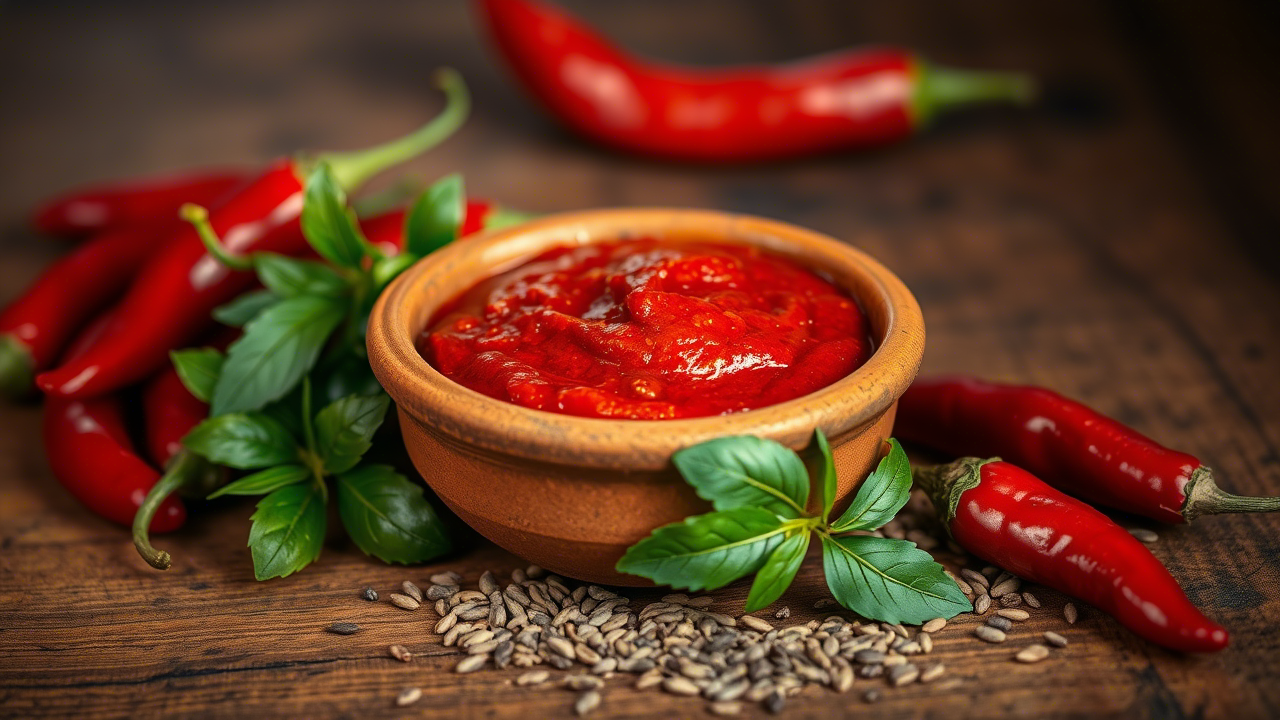
Harissa is a North African chili paste made from red peppers, garlic, salt and aromatic spices. Recipes vary, but coriander, caraway and cumin are common additions, while olive oil helps turn the ingredients into a smooth, rich paste.
Harissa is particularly important in Tunisian cuisine, where its preparation and culinary traditions were added to UNESCO's Representative List of the Intangible Cultural Heritage of Humanity in 2022.
The paste is also used across North Africa, including in Moroccan kitchens. It works well with grilled meat, vegetables, sandwiches, eggs and some tagines, especially when you want a concentrated combination of chili heat and spices.
What Does Harissa Taste Like?
Harissa can range from moderately warm to intensely hot depending on the peppers used. The best versions are not simply spicy. They combine heat with garlic, earthy spices and a little acidity.
Using milder dried peppers creates a sweeter, more rounded paste, while adding cayenne or another hot chili raises the heat quickly.
There is no need to make it painfully hot. A good homemade harissa should still allow you to taste the food it accompanies.
Main Ingredients in Harissa
The exact formula varies, but a useful homemade version can be built from a small group of ingredients.
- Dried red chilies provide heat, color and fruitiness.
- Garlic adds sharpness and depth.
- Coriander seeds add a warm, lightly citrus-like aroma.
- Caraway seeds give the paste a distinctive earthy flavor.
- Cumin adds additional warmth.
- Lemon juice brightens the paste.
- Olive oil helps bring the ingredients together.
- Salt balances the flavors.
👉 Learn about the spices: A Guide to Moroccan Spices and Their Uses
Homemade Harissa Recipe
This is a practical home recipe rather than a claim to be the only traditional formula. Adjust the chilies according to the level of heat you enjoy.
Ingredients
- 50 g dried red chilies
- 2 garlic cloves
- 1 teaspoon coriander seeds
- 1 teaspoon caraway seeds
- 1/2 teaspoon cumin seeds
- 1/2 teaspoon salt, plus more to taste
- 1 tablespoon fresh lemon juice
- 2 to 3 tablespoons olive oil
- 1/4 teaspoon cayenne pepper, optional for extra heat
Step 1: Prepare the Chilies
Remove the stems from the dried chilies. Shake out some or most of the seeds if you want a milder paste.
Place the chilies in a bowl and cover them with hot water. Leave them until softened, usually about 20 to 30 minutes.
Drain them thoroughly before blending. Excess water will make the harissa thin and dilute its flavor.
Step 2: Toast the Spices
Place the coriander, caraway and cumin seeds in a dry pan over low heat.
Warm them briefly until fragrant, moving the pan frequently so they do not burn. Allow the spices to cool, then grind them with a spice grinder or mortar and pestle.
This step is optional, but freshly ground spices usually produce a stronger aroma than spices that have been sitting ground in a jar for a long time.
Step 3: Blend the Harissa
Add the softened chilies, garlic, ground spices, salt and lemon juice to a food processor or blender.
Blend until a thick paste begins to form. Add the olive oil gradually until the texture is smooth enough for your intended use.
Taste a small amount and adjust with additional salt, lemon or cayenne if needed.
How to Adjust the Heat
The easiest way to control harissa is through your choice of chilies.
For a milder paste, use mostly mild dried red peppers and remove more of the seeds and inner membranes. For a hotter version, combine mild chilies with a smaller amount of cayenne or another hot dried chili.
If the finished paste is hotter than expected, do not try to fix it by adding large amounts of oil. Instead, use less harissa in the final dish or combine it with tomato, yogurt or another suitable ingredient when serving.
Using Harissa with Moroccan Food
Harissa is useful when a Moroccan dish needs extra heat, but it should not automatically be added to everything.
Try a small spoonful alongside grilled lamb or chicken, or mix a little into a marinade with lemon and garlic.
It can also work with roasted vegetables, potatoes, chickpeas or sandwiches. Begin with a small quantity because homemade harissa can be considerably stronger than commercial sauces.
👉 Also read: How to Cook Moroccan Lamb Dishes
Harissa with Eggs and Breakfast
A small amount of harissa can add heat to fried or scrambled eggs. It can also be mixed into cooked tomatoes or served on the side with bread.
Because harissa is concentrated, start with about half a teaspoon and add more only if needed.
👉 Breakfast ideas: Moroccan Breakfast Recipes to Start Your Day
Harissa as a Marinade
To make a simple spicy marinade, combine a spoonful of harissa with lemon juice and a little olive oil.
Use it with chicken, lamb or vegetables. The quantity of harissa should depend on both the strength of your paste and the amount of food being seasoned.
For delicate foods such as fish, use less so the chili does not overwhelm the main ingredient.
Harissa and Ras el Hanout Are Not the Same
Harissa and ras el hanout are both useful in North African cooking, but they serve different purposes.
Harissa is a moist chili paste built around peppers. Ras el hanout is a dry mixture of aromatic spices.
Ras el hanout adds fragrance and warmth, while harissa contributes much more direct chili heat. A recipe may use one, both or neither depending on the dish.
👉 Compare the flavors: Ras el Hanout: Moroccan Spice Blend Recipe and Uses
How to Store Homemade Harissa Safely
Homemade harissa should be placed in a clean container and refrigerated promptly.
Do not assume that covering the paste with a layer of olive oil makes it safe for long-term refrigerator or room-temperature storage. Homemade mixtures containing garlic and oil can create food-safety risks when stored incorrectly.
For this homemade version, keep it refrigerated and use it within 4 days. For longer storage, divide it into small portions and freeze them.
A commercial jar may have a much longer shelf life because manufacturers can use controlled acidification, processing and preservatives. Follow the label instructions for commercially prepared harissa.
Is Harissa Moroccan or Tunisian?
Harissa belongs to the wider food culture of North Africa, but it has an especially strong association with Tunisia.
UNESCO recognizes Tunisian knowledge, skills and culinary practices surrounding harissa as intangible cultural heritage. The documented Tunisian preparation centers on dried red peppers seasoned with ingredients such as salt, garlic and coriander.
Harissa is nevertheless available and used elsewhere in North Africa, including Morocco. For a Moroccan food site, it is more accurate to describe it as a North African condiment used in Moroccan cooking rather than claiming that it originated in Morocco.
Reliable Sources
For cultural background on harissa, see UNESCO's Harissa cultural heritage entry .
For food-safety guidance about homemade garlic and vegetables stored in oil, see Oregon State University Extension's food preservation guidance .
Conclusion
Harissa is a powerful but flexible North African condiment. Dried chilies provide the foundation, while garlic, coriander, caraway, cumin and lemon build layers of flavor around the heat.
Making it at home also gives you control. You can choose milder or hotter peppers, adjust the spices and use only as much oil as needed to create the texture you prefer.
Use it sparingly with grilled meat, vegetables, eggs, sandwiches or Moroccan dishes that benefit from extra heat, and freeze extra portions rather than trying to preserve homemade harissa under a layer of oil for months.

CONVERSATION